
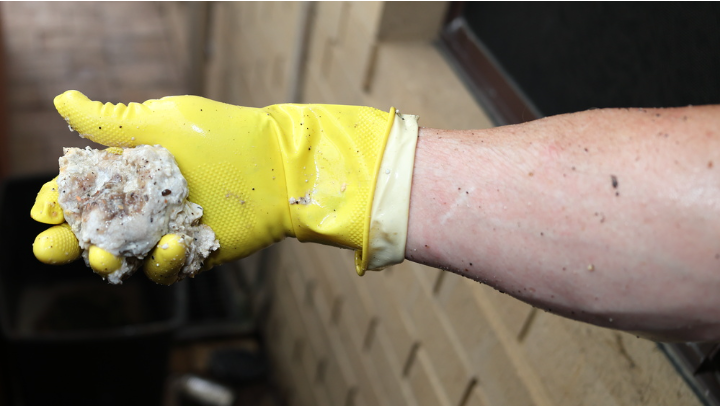

I recently had the distinct pleasure of paying a plumber more than $400 to remove a massive clog from my plumbing. It took him hours because the clog was so far down the pipe. When he finally managed to get it out, what emerged was a grease ball so big I had a hard time believing he pulled it from my plumbing. But he did.
My wife and I have lived in this house for just a few years, and we are religious about not putting grease, oil, and fats down the drain. So I was curious as to how such a massive ball of grease was able to form in the pipes. More importantly, I wanted to know how it got so far down the line.
Every Clog Starts Out Small
According to the experts at Salt Lake City’s Beehive Plumbing, every clog that ultimately backs up a sink, tub, or shower starts out as something small. In the case of a grease ball, my plumber explained that it could have started years ago when the previous homeowner poured oil or grease down the drain.
At first, pouring oil or grease down the drain doesn’t seem like a big deal. Mix it with hot water and some soap and you have a liquid that freely flows. But as the concoction makes its way further down the line, it cools. And what happens to grease as it cools? It solidifies.
It Starts to Build Up
The initial amount of grease or oil does not immediately create a clog. But it does stick to the inside of the pipes. As more waste flows through the pipes, the sticky grease grabs and holds on to debris. This is the start of the problem.
Over time, more debris can get trapped by the grease. But then what happens if the homeowner pours additional oil or grease down the drain? It gets added to the mix. Not only that, but the buildup also continues to creep along the inside of the pipe. Not only is it growing in size, but it is also getting longer.
You eventually end up in a situation that’s similar to a snowball rolling down a mountain. As it goes, it picks up more snow. It grows bigger until you have a huge ball. Grease in your pipes works in a similar way. The only difference is that its movement is minimal. But it is still growing inside the pipe.
It Forms a Solid Mass
Many years of grease, oil, and debris eventually form a mass that begins inhibiting waterflow. You could be two or three years into it and only notice a subtle difference in that waterflow. My wife and I had no idea about the trouble brewing in our pipes because we did not know what normal waterflow for that system looked like. When we first moved in, we assumed all was well.
We made a point of never putting grease and oil down the drain. But we have a garbage disposal. So other debris was put down the drain regularly. It only added to the massive ball of grease lurking in the darkness. Then, out of nowhere, the water completely stopped flowing.
The huge ball of grease that cost me hundreds of dollars to remove did not just appear overnight. It was the result of years of buildup that began when the previous homeowner decided it was okay to pour grease or oil down the drain. That decision started a chain of events that hit me in the wallet.
Oh well. Such is life.