
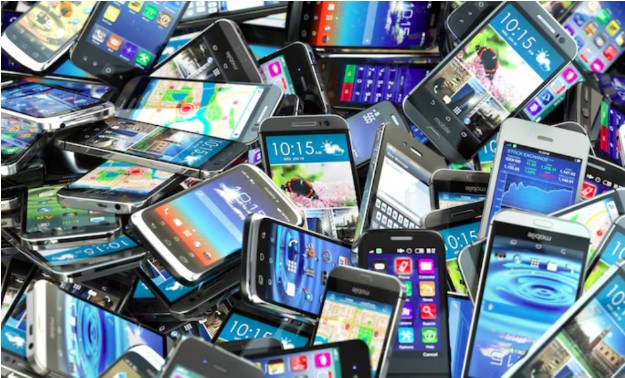

In today’s fast-paced digital world, upgrading to the latest smartphone model has become a common practice.
However, this trend leaves many consumers with older devices that eventually gather dust in drawers. Improper disposal of these electronics poses significant environmental risks due to hazardous materials.
Opting for professional cell phone recycling is the most responsible way to manage electronic waste, ensuring that valuable components are recovered and toxic substances are handled safely.
Before selecting a provider, it is crucial to evaluate several key factors to ensure your data is secure and the environmental impact is minimized.
Data Security and Privacy Protocols
The most critical concern when disposing of a device is personal data. Modern smartphones contain sensitive information, ranging from banking details to private photos. A reputable recycling service must offer robust data destruction methods.
This includes physical shredding of the device or certified software wiping that meets international standards. Always verify if the recycler provides a certificate of destruction, as this serves as proof that your information has been permanently removed from the storage media.
Environmental Certification and Standards
Not all recycling programs operate with the same level of environmental commitment. Look for providers that hold certifications such as e-Stewards or R2. These organizations ensure that the facility adheres to strict ethical and environmental standards.
By choosing a certified recycler, you ensure that the process of cell phone recycling does not involve illegal dumping or improper export of hazardous electronic waste to regions where safety regulations may be lax.
Accessibility and Convenience
The ease of the process often dictates whether a consumer follows through with responsible disposal. Evaluate how the service collects the devices. Do they offer prepaid shipping labels, convenient drop-off locations, or mail-in kits?
A service that streamlines the logistics encourages more people to recycle their hardware. High-quality programs prioritize user experience by providing clear instructions on how to package and send devices safely.
Value Recovery and Compensation
Many older smartphones still hold significant trade-in value. Depending on the condition of your handset, some recyclers offer monetary compensation or store credit. While the primary goal is environmental protection, receiving a financial incentive is a welcome benefit.
Compare different platforms to see which offers the best appraisal for your specific model, but ensure that this financial gain does not compromise the quality of their environmental practices.
Transparency in Operations
A trustworthy organization maintains complete transparency regarding where your device goes and how it is processed. They should clearly outline their supply chain and the secondary markets where components or refurbished phones are sold.
Engaging in cell phone recycling with a company that openly communicates its workflow provides peace of mind. Avoid businesses that provide vague descriptions of their end-of-life processing or fail to answer questions about their downstream partners.
Corporate Social Responsibility
Finally, consider the broader impact of the organization. Many leading companies integrate their recycling initiatives into larger community programs.
When you choose a provider that invests in education or sustainable technology development, your contribution to cell phone recycling goes beyond just clearing out old hardware.
Supporting businesses with strong corporate ethics helps foster a circular economy, where resources are kept in use for as long as possible, ultimately reducing the need for new raw material extraction.