
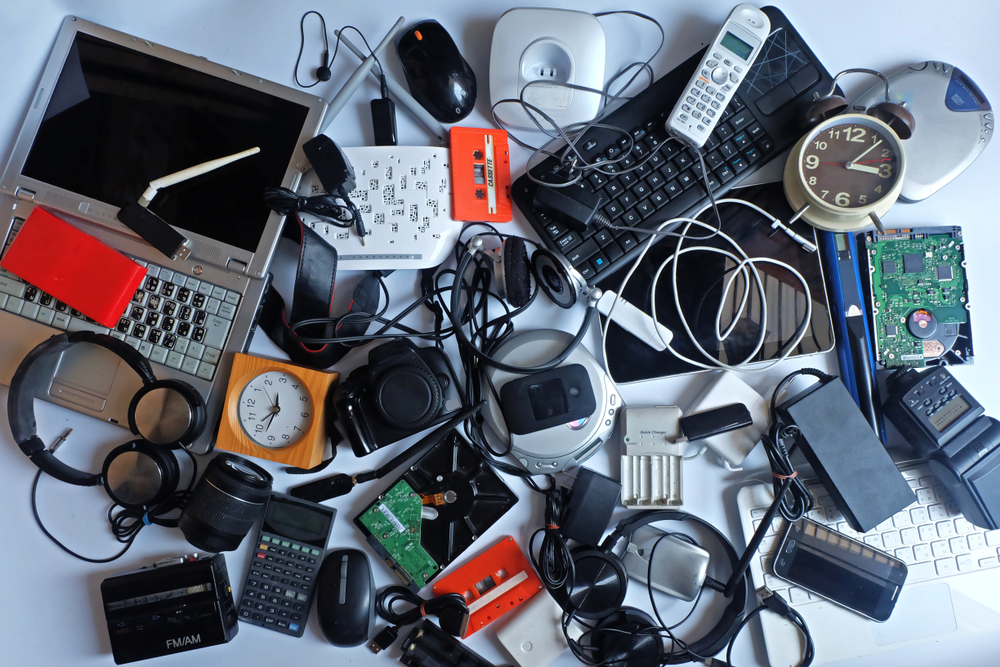

Electronic devices have become an essential part of our lives. From laptops and smartphones to servers and printers, technology evolves at a pace faster than most of us can keep up with. While upgrading gadgets improves efficiency and convenience, it also creates a growing challenge: what to do with outdated electronics. Improper disposal can lead to environmental hazards, wasted resources, and security risks. However, when handled responsibly through a professional E-Waste Buyer Company, these devices can be transformed into valuable resources, benefiting both individuals and businesses.
The Hidden Potential in Old Electronics
Many people overlook the value hidden within their old electronics. Devices that no longer serve their primary purpose still contain components and materials that can be reused or recycled. Metals like gold, copper, and aluminum, along with plastics and glass, are all recoverable and can be repurposed in new products. Recovering these materials reduces the need for raw mining, lowers energy consumption, and contributes to environmental preservation.
Businesses, in particular, often accumulate large volumes of outdated IT equipment. Servers, hard drives, networking gear, and desktop computers can sit idle for months or even years, taking up space and posing security risks if not properly managed. This is where professional services from a trusted E-Waste Buyer Company become invaluable. By responsibly collecting, evaluating, and recycling old equipment, these companies help turn digital clutter into eco-friendly and financially beneficial outcomes.
Why Proper Disposal Matters
Improper disposal of electronics is more than just a clutter problem. Many electronic devices contain hazardous materials such as lead, mercury, cadmium, and brominated flame retardants. When dumped in landfills, these substances can leach into soil and water, creating long-term health risks for humans and wildlife. Even when devices are discarded in regular trash, valuable materials are lost forever, representing both environmental and economic inefficiency.
Moreover, outdated IT equipment often contains sensitive information. Hard drives, storage devices, and other digital media can hold personal, financial, or corporate data. Without secure destruction, this information is vulnerable to theft or misuse. Professional recycling ensures that data is destroyed safely while materials are recovered and reused.
How Electronics Are Transformed
Recycling old electronics is a systematic process that converts obsolete equipment into usable resources. It typically involves several key steps:
- Collection and Assessment: Devices are collected from homes, offices, or institutions. Each item is assessed for functionality, material composition, and potential hazards.
- Data Security: For equipment containing sensitive information, secure data wiping or physical destruction is carried out. This guarantees privacy and compliance with data protection standards.
- Disassembly and Sorting: Devices are carefully dismantled. Metals, plastics, glass, and circuit boards are separated for specialized recycling processes.
- Processing and Refinement: Extracted materials are purified and prepared for reuse. Metals are smelted, plastics are reprocessed, and glass is crushed and melted for manufacturing.
- Reuse and Repurposing: Recovered materials are supplied to manufacturers for new electronic devices, construction materials, or other products, completing the circular economy cycle.
Through this transformation, a single outdated device can contribute to the creation of new products, significantly reducing environmental impact and conserving natural resources.
The Role of Businesses in E-Waste Management
Businesses generate vast amounts of e-waste every year, from outdated desktops to server racks. Proper management of this waste is not just environmentally responsible but also a strategic business decision. Engaging with a reliable E-Waste IT Recycling in Dubai service ensures that businesses can efficiently handle large volumes of electronic equipment, receive fair valuation, and comply with local and international environmental regulations.
Organizations can benefit in several ways:
- Space Optimization: Clearing out old equipment frees valuable office and storage space.
- Financial Returns: Reselling usable components or receiving recycling credits can generate revenue.
- Regulatory Compliance: Professional disposal ensures adherence to laws governing electronic waste.
- Reputation and Sustainability: Demonstrating commitment to environmental responsibility enhances brand image.
By integrating responsible e-waste practices into their operations, companies contribute to a cleaner environment while also safeguarding sensitive data.
How Individuals Can Participate
While businesses may generate the bulk of electronic waste, individuals also play a significant role. Many personal devices, including phones, tablets, laptops, and printers, are discarded improperly each year. Simple steps can help ensure these items are recycled responsibly:
- Research Trusted Recycling Services: Look for certified E-Waste Buyer Company services that offer secure data handling and proper recycling methods.
- Separate Electronics from Household Waste: Keep electronic devices distinct from regular trash to prevent contamination.
- Donate or Sell Functional Devices: Items that still work can be refurbished and given a second life, benefiting schools, charities, or low-income households.
- Participate in Local Collection Drives: Many municipalities and organizations host e-waste collection events that simplify responsible disposal.
Even small efforts, when multiplied across households and communities, can have a measurable positive impact on the environment.
The Environmental Impact of E-Waste Recycling
Recycling electronics prevents harmful substances from entering the ecosystem and reduces the extraction of raw materials. Recovering metals like gold, silver, and copper saves energy compared to mining and processing new materials. For instance, recycling one ton of computers can save up to 1,400 pounds of copper and 48 pounds of gold. These figures illustrate how discarded electronics are not just waste but untapped resources waiting to be reclaimed.
The Future of E-Waste Management
As technology continues to advance rapidly, the volume of e-waste is expected to grow exponentially. Innovative solutions, including automated sorting, advanced material recovery, and AI-driven inventory management, are emerging to handle this surge efficiently. Circular economy models, where old devices are continuously refurbished, recycled, and reintegrated into production, are gaining traction as a sustainable approach.
Public awareness and education are also critical. The more individuals and organizations understand the value of their outdated electronics, the more likely they are to engage in responsible recycling. Collaboration between government agencies, private enterprises, and recycling companies will shape a future where electronics are seen not as disposable commodities but as valuable resources.
Conclusion
Outdated electronics are far from worthless. When handled responsibly, they can be transformed into valuable resources, benefiting the environment, businesses, and communities. Secure data destruction, proper recycling techniques, and professional collection services make it possible to reclaim metals, plastics, and other materials, closing the loop in the lifecycle of electronic devices. For businesses and individuals seeking to responsibly dispose of their obsolete technology, services like E-Waste IT Recycling offer a reliable, eco-friendly, and secure solution that turns digital waste into opportunity.